Discover DC Cleanex Pest Control for trusted extermination services to keep your property pest-free
Discover DC Cleanex Pest Control for trusted extermination services to keep your property pest-free
Blog Article
Reliable Pest Control Approaches: Keep Your Home Free of Pests
Effective pest control approaches are vital for keeping a pleasant living space. Homeowners encounter various challenges from common pests, which can disrupt daily life. Recognizing the indicators of pest problems is the initial phase in addressing these concerns. While natural methods have gained popularity, learning about the entire range of control options is important. This exploration presents important questions about the balance between DIY solutions and when to hire professionals. What methods will work best?
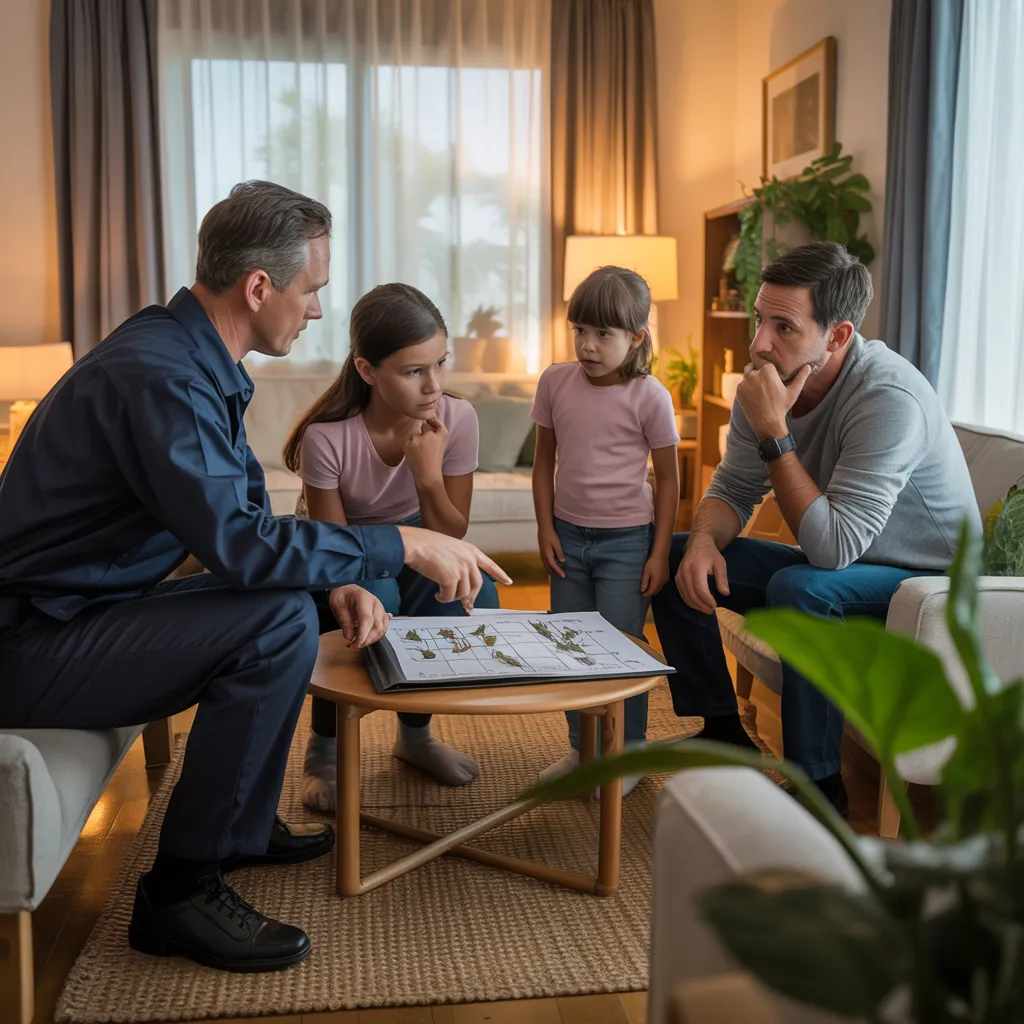
Common Household Pests and Successful Pest Solutions
When homeowners find unwanted guests in their living spaces, they often search for quick fixes for common household pests. Among these unwanted creatures, ants, cockroaches, and rodents are commonly found. Ants usually enter kitchens in pursuit of sustenance, while cockroaches flourish in warm, dark areas. Rodents, on the other hand, can create building deterioration and pose health risks.
Effective pest management opens with identification and prevention. Homeowners should to seal entry points, keep areas clean, and cut off food sources. Insecticides and bait traps can be used for particular pest problems, though vigilance is required to ensure protection of kids and animals. In extreme situations, licensed pest control services may be needed to execute complete removal techniques. Learning the type of these pests and using focused approaches creates a more wholesome home space and reduces subsequent pest problems.
Detect Red Flags of Infestation
Recognizing signs of infestation is crucial for successful pest control. Common indicators include strange sounds, distinct smells, and visible droppings or harm to property. Identifying these symptoms promptly can help stopping a small problem from progressing into a major issue.
Unusual Sounds and Smells
Unusual noises and smells can be important indicators of a pest infestation. Homeowners may hear scraping, shuffling, or gnawing sounds, especially at night when pests are typically active. These sounds often indicate the presence of rodents, such as mice or rats, which tend to inhabit walls, attics, or basements. Additionally, certain odors can suggest an infestation. A damp or strong smell may indicate a buildup of droppings or urine, while a unpleasant, rotting scent could suggest the presence of dead pests. Recognizing these auditory and olfactory signs is crucial for early detection. Timely response to unusual noises and smells can help homeowners respond before a minor issue develops into a more significant pest problem.
Visible Feces or Damage
Visible waste and damage serve as clear indicators of a pest infestation. Homeowners should be attentive in recognizing these signs, as they can differ significantly between different unwanted creatures. Rodent waste, for example, are small, dark, and pellet-like, often found in concealed areas or near food sources. In contrast, insect waste may resemble tiny particles or granules, depending on the species. Damage can manifest as chewed wires, gnawed furniture, or even wall damage. Such signs not only points to the presence of pests but also emphasizes potential risks to health and property. Early detection of these signs is essential for successful pest management and prevention strategies, ensuring a safe and pest-free environment.
Superior Natural Pest Control Options
While many property owners look for chemical remedies for pest control, top natural methods offer effective alternatives that are both environmentally safe and safe. Essential oils, such as peppermint and lavender, can repel various insects due to their potent scents. Diatomaceous earth acts as a natural insecticide, dehydrating pests upon contact. In addition, vinegar is a versatile solution, effectively deterring ants and spiders when used as a spray.
DIY traps such as baited jars for fruit flies can be useful. Introducing beneficial insects including ladybugs and lacewings supports reducing pest populations without damaging the ecosystem. In addition, frequent discover this tidying and correct food preservation discourage unwanted guests by eliminating attractants. Growing herbs like basil and rosemary near the home can serve as natural repellents too. By combining these methods, homeowners can sustain a pest-free environment while encouraging a healthier living space.
Exploring Chemical Pest Control Options
Chemical insect control solutions deliver a spectrum of insecticide types designed to address particular pests efficiently. Understanding these distinct compositions is essential for successful implementation and minimizing ecological impact. Furthermore, adhering to protective precautions is crucial to guarantee the health of both users and neighboring ecosystems.
Kinds of Chemical Pesticides
Pesticides function as an crucial part in modern agriculture and pest control, providing a range of solutions designed to target specific pests effectively. There are multiple kinds of pesticide chemicals, including insecticides, which control insect populations; herbicides, which target unwanted plants; and fungicides, used to fight fungal infections. Additionally, rodenticides are developed to eliminate rodents, while nematicides concentrate on parasitic worms. Each category contains various active ingredients, enabling for customized approaches dependent on the pest type and infestation level. Systemic pesticides are taken up by plants, providing internal protection, while contact pesticides work on contact with the pest. Comprehending these classifications helps in choosing the most appropriate pesticide for effective and efficient pest control.
Safety Guidelines To Review
While engaging in pest control, it is important to emphasize safety steps to minimize possible risks associated with chemical usage. Homeowners are advised to read and follow label instructions meticulously, ensuring proper dosage and application steps. Using personal protective equipment (PPE), including gloves, masks, and goggles, is essential to guard against chemical exposure. You should keep children and pets away from treated areas until chemicals have fully dried and the space is properly ventilated. In addition, keeping pesticides stored securely and out of reach prevents accidental ingestion. Ultimately, choosing environmentally friendly options can diminish health risks and still effectively manage pest problems. Following these precautions guarantees a safer environment during necessary pest control activities.
Apply Self-Service Pest Control Tips
Implementing DIY pest control tips enables homeowners to address pest problems efficiently and cost-effectively. Simple solutions often employ common domestic products, making them accessible and affordable. For example, a mixture of vinegar and water can repel ants, while baking soda and sugar can lure and destroy cockroaches.
Keeping your home hygienic is vital; properly storing food and immediately addressing spills help prevent pest problems. Property owners can establish protective barriers by closing holes and crevices near doors and windows. Oils such as peppermint and tea tree oil act as natural insect repellents, providing a pleasant-smelling choice instead of synthetic pesticides.
Regularly surveying the home for evidence of pests allows early intervention, preventing larger infestations. Traps and bait stations can be strategically placed in high-traffic areas to monitor and control pest populations. By adopting these DIY strategies, homeowners can preserve a pest-free environment while promoting a sense of control and responsibility in their living spaces.
When is it time to reach out to a expert?
Homeowners may realize that despite their greatest efforts with DIY pest control methods, some infestations need professional support. Indicators showing the need for expert help include ongoing pest problems, large infestations, or the existence of pests that create health dangers, such as rodents or termites. If initial applications do not produce results, it may be time to contact experts who have specialized knowledge and tools.
Additionally, distinct situations warrant prompt expert support. These involve the detection of colonies in hard-to-reach areas, potential building impairment produced by pests, or when dealing with dangerous pests, like wasps. Homeowners should likewise consider expert support if they are lacking the schedule or assets to manage the situation productively. Ultimately, engaging a pest control professional can deliver a exhaustive appraisal and a strategic approach, supplying solace and a pest-controlled atmosphere.
Questions People Ask About Often
How Do I Stop Pests From Getting Into My Home?
To prevent bugs from coming into a home, one should seal cracks, put screens on windows, sustain cleanliness, keep provisions safely, and regularly inspect for indications of pest activity. These measures greatly reduce the likelihood of unwanted visitors.
Are There Any Petsafe Pest Management Choices?
Yes, pet-safe pest management options are offered. Natural repellents, natural oil extracts, and traps designed specifically for use around pets can effectively repel pests without harming animals. Always check product labels for safety information.
What Costs Accompany Pest Control Services?
Expenses connected with pest control services fluctuate considerably, usually covering from $100 to $300 for initial treatments. Recurring maintenance plans may expense $40 to $70 monthly, contingent upon the degree of the outbreak and service frequency.
What Period Can You Anticipate from Pest Control Treatment Effectiveness?
Pest control treatment typically extends from several weeks to many months, based on the pest variety and the method used. Regular visits might be required to keep results strong and avoid pest recurrence.
Will Pests Return Once Professional Service is Done, and How Do I Avoid That?
Insects may re-emerge after treatment if improperly managed. Prevention approaches include preventing access routes, maintaining hygiene, and routine inspections. These actions help reduce the risk of pest resurgence and keep a pest-free environment.
Report this page