Bed Bug Heat Treatment for Complete Infestation Control
Bed Bug Heat Treatment for Complete Infestation Control
Blog Article
Efficient Bed Bug Control Solutions for a Pest-Free Home
Bed bugs create a significant complication for property owners aiming a pest-free environment. Knowing their movements and sound treatments is indispensable. A mixture of do-it-yourself solutions and trained extermination can produce the best results. This discussion will explore essential apparatus, time-tested household remedies, and expert options. Additionally, preventional measures can help promise that these invaders do not come back. The road to a bed bug-free home demands precise consideration and strategic action.

Understanding Bed Bugs: Identification and Behavior
Bed bugs, small blood-feeding pests belonging to the Cimex lectularius species, are well-known for their ability to interfere with rest and cause discomfort. Recognizable by their flat, oval bodies and brownish-red coloration, adult bed bugs are approximately about a quarter of an inch in length. Their proportions and configuration allow them to tuck away in crevices and seams of furniture, bedding, and walls.
Bed bugs are largely nocturnal, subsisting on the blood of their hosts during the night. They are attracted to body warmth and CO2, making humans ideal hosts. Reproduction happens rapidly; a Professional Bed Bug Inspection Greensboro NC single female can lay vast quantities of eggs in her lifetime. Understanding the behavior and habits of bed bugs is important for effective management, as they can quickly infest homes and remain dormant for extended periods. Their strength against environmental variations stresses the importance of swift detection and action.
Must-Have Equipment for Successful DIY Pest Treatment
Successful DIY bed bug management relies on a strategic plan, and securing the appropriate tools is necessary for accomplishment. Crucial tools feature a high-grade vacuum cleaner with a HEPA filter, which traps bed bugs and their eggs effectively from varied surfaces. Steamers are also critical; the high temperatures kill bed bugs on contact, establishing them as excellent for treating mattresses and upholstery.
Bed bug traps can be positioned under furniture legs to monitor and trap any pests attempting to climb. Additionally, covers for mattresses and box springs assist in preventing infestations and protect against upcoming infestations. A quality light source is necessary for detailed examinations in dark areas, while rubbing alcohol can function as a temporary spot treatment.
At last, a robust brush facilitates extracting bugs from crevices. Together, these tools establish a extensive arsenal for tackling bed bug infestations effectively.
Tested Home Remedies for Bed Bug Extermination
Homeowners looking for relief from bed bug infestations often turn to proven solutions that can be found in their own kitchens or local stores. One successful approach comprises using natural oils, particularly tea tree and lavender oil, noted for their insect-repellent properties. Combining these oils with water and applying them on affected areas may assist in repelling bed bugs. Another common remedy is diatomaceous earth, a natural powder that dehydrates the bugs upon contact, effectively eliminating them over time.
Freezing items that cannot be washed, such as shoes or stuffed animals, for several days can also remove bed bugs. Moreover, a thorough vacuuming of infested areas followed by steam cleaning can disturb their habitats. While these home remedies may not ensure complete eradication, they can function as beneficial adjuncts to a broad pest control strategy. Homeowners should be vigilant and observe for any signs of resurgence.
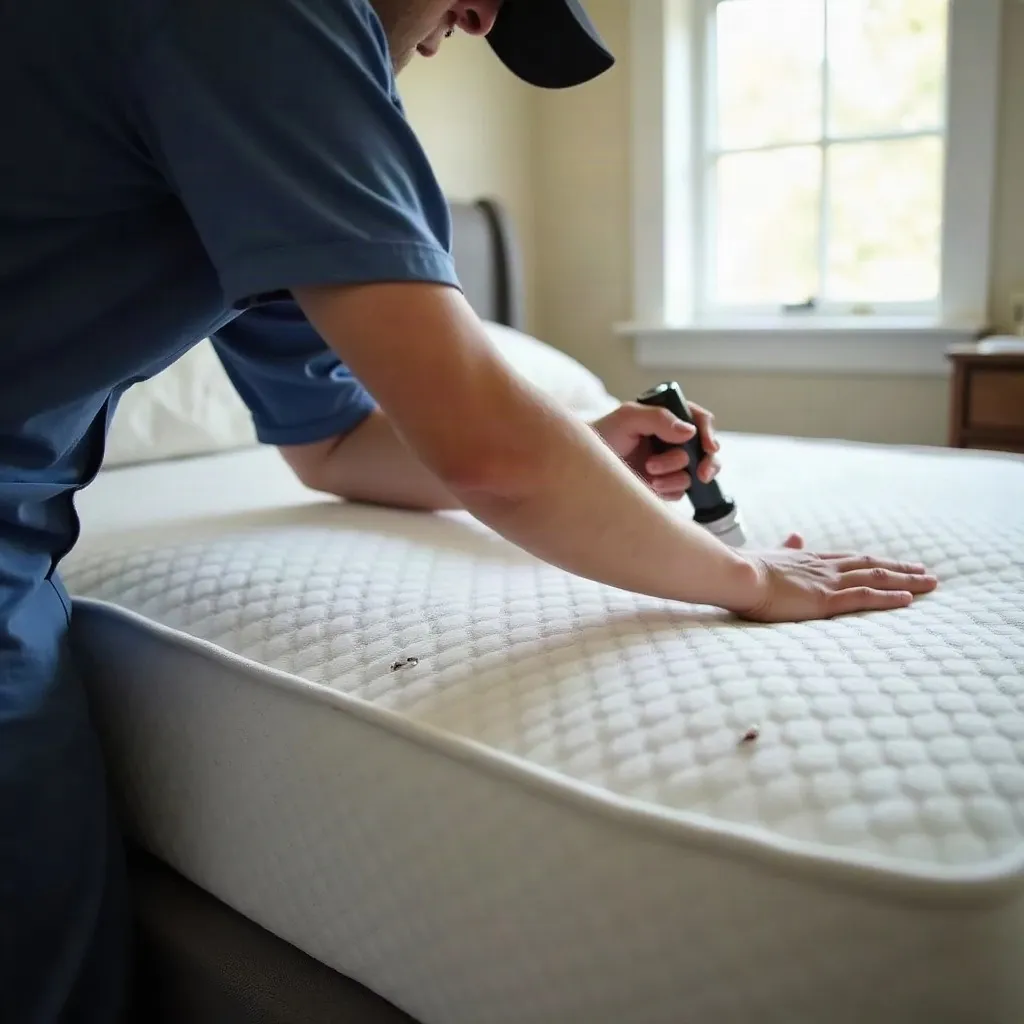
Tips for Selecting Experienced Bed Bug Extermination
How can one identify the premier expert pest elimination service? To establish an informed decision, people should begin by investigating local companies with a solid reputation. Reviews and reviews from past clients provide insight into the success and reliability of services offered. It is essential to verify that the exterminators are licensed and insured, ensuring they adhere to industry standards.
Next, ask about the techniques used for extermination. Reputable firms generally provide a range of strategies, including chemical treatments and thermal treatments. Inquiring into their ongoing maintenance plans can also indicate their commitment to long-term solutions. Getting multiple quotes allows for evaluation, but the lowest price should not be the sole factor. Finally, a quality pest control company will deliver a clear explanation of the process and address any concerns, fostering confidence and assurance in their knowledge.
Keeping Your Home Free from Future Bed Bug Infestations
After obtaining specialized pest elimination services, consideration must be given to avoiding subsequent pest problems. Adopting preventative strategies is crucial for keeping your space free from bed bugs. First, frequent checks of bedrooms and adjacent furnishings can help spot any early warning signs of bed bugs. Applying protective encasements to mattresses and box springs establishes a protective shield that prevents bed bugs from nesting and multiplying.
Moreover, it is critical to be careful when traveling. Examining hotel rooms and maintaining luggage raised up can reduce the risk of bringing bed bugs home. Decluttering living spaces also reduces potential hiding spots, making it easier to spot any infestations early.
Moreover, instructing all household members about bed bug signs and prevention methods encourages a mutual responsibility. By implementing these practices, homeowners can substantially decrease the risk of a future bed bug problem, thereby maintaining a cozy and bug-free living environment.
Consistent Daily Routines for Maintaining Your Home Free of Bed Bugs
Keeping a pest-free residence requires consistent daily practices that lower the risk of infestations. It is essential to regularly inspect bedrooms; looking for signs like molted shells or discolorations on bedding can help identify problems early. Washing bedding and linens weekly in warm water is another effective step, as the heat kills any possible eggs or bugs.
Regular vacuuming, notably in areas where pets sleep and along baseboards, can destroy hidden bed bugs and their eggs. Maintaining minimal clutter also contributes to prevention, as it gives fewer hiding spots.
When on travel, individuals should assess hotel rooms and position luggage elevated on racks rather than on beds or floors. Additionally, caulking cracks and crevices in walls or furniture can greatly decrease the chances of bed bug entry. Adopting these everyday practices fosters a proactive approach to sustaining a pest-free environment.
Common Questions Asked Frequently
What Span of Time Can Bed Bugs Survive Without a Host?
Bed bugs can last without a host for several months, commonly between two and six months. Their resilience makes it possible for them to persist in habitats lacking food, waiting for a suitable host to arrive.
Can Bed Bugs communicate Diseases to Humans?
Bed bugs do not transmit diseases to humans, per health experts. Their bites can cause discomfort and hypersensitive responses, but they are not documented carriers of pathogens that lead to infections or major diseases.
Might Animals Transport Bed Bugs Into Your Home?
Pets can accidentally transport bed bugs into the house by acquiring them from infested areas. While bed bugs do not typically infest pets, they can hitch a ride on fur or possessions.
Is It Secure to Apply Insecticides Near Children?
Insecticides used near kids may create safety risks. It's important to follow label specifications, maintain proper ventilation, and keep kids away during use. Reaching out to a pest control professional can suggest safer alternatives and provide guidance for family homes.
How do I know if my bed bug treatment was successful?
To determine if bed bug treatment was working, one should monitor for signs such as bite marks, shed skins, or visible bugs for several weeks. Periodic inspections and follow-up treatments may be needed for full eradication.
Report this page